LETTERS THAT WILL CHANGE THE WORLD (6 - 9 years)
General information
The present material has been developed for the THINKIDS project by Elvira Sánchez-Igual* from AMEI-WAECE,
*Cohort 6 #TeachSDGs Ambassador
*Cohort 6 #TeachSDGs Ambassador
| Age group | 6-9 year olds |
| Recommended group size | +20 children Small groups can be done for some parts (if possible) |
| Recommended time | 60-90 minutes |
| Place | Mainly in the classroom; indoor; Outdoor |
| Learning Outcome(s) | - To have an overview to the Sustainable Development Goals (SDGs). Key questions along with resources are provided to facilitate comprehension and engage children critically. - To develop emotions and feeling about the importance of the SDG. - To create an engagement that makes children feel interested and eager to put the SDGs into practice - To realize everyone is an active participant in his/her community, and thus, by extension, in the success of the SDGs. |
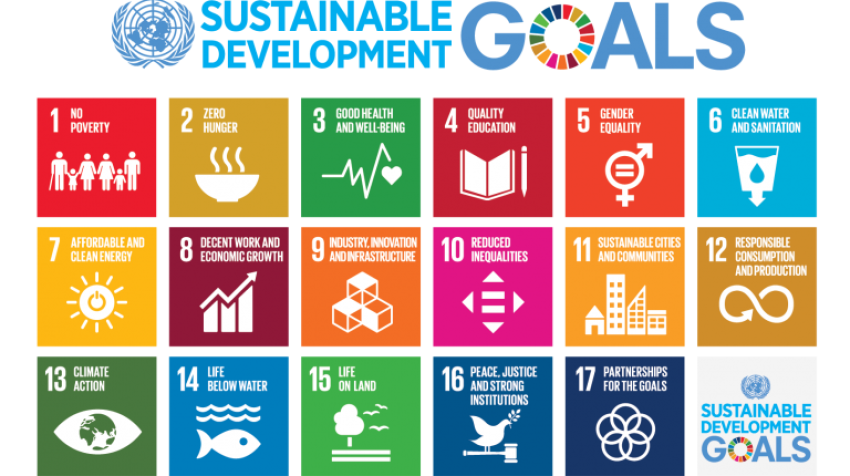
| Needed materials | A poster of the SGD: http://waece.org/contenido/noticias/wp-content/uploads/2022/09/e-sdgs-poster-768x456.png Coloring sheet: http://waece.org/contenido/noticias/wp-content/uploads/2022/09/7282664ByN.jpg |
| Method(s) | Socratic Dialog |
Developing skills in children
After the completion of this exercise, children will develop the following skills:
- acquire knowledge
- perspective taking
- self-reflection
- critical thinking
- acquire knowledge
- perspective taking
- self-reflection
- critical thinking
Step by step implementation
First Session: SDG.
Take a moment to observe the image below (to be also found at: http://waece.org/contenido/noticias/wp-content/uploads/2022/09/e-sdgs-poster-768x456.png.

Then discuss as a class and amongst each other:
• What do you see, on the visual level?
• What is your initial impression?
• Are you already familiar with this image? How familiar? Or, is it entirely new to you?
• What makes sense/ what doesn’t make sense?
• Do you think this image are able to resonate universally? Why or why not?
Later, s/he will explain:
The 2030 Agenda for Sustainable Development, adopted by all United Nations Member States in 2015, provides a shared blueprint for peace and prosperity for people and the planet, now and into the future. At its heart are the 17 Sustainable Development Goals (SDGs), which are an urgent call for action by all countries - developed and developing - in a global partnership.
They recognize that ending poverty and other deprivations must go hand-in-hand with strategies that improve health and education, reduce inequality, and spur economic growth – all while tackling climate change and working to preserve our oceans and forests.
To go deeper in the knowledge of the SDGs, you can use these questions:
● What are the Global Goals?
● Who is in charge of the Global Goals?
● How will the progress of the Global Goals be monitored?
● Why are there 17 Goals?
● What is Sustainable Development?
● Why are the Goals numbers and is the order significant?
● Are the colours for the Goals significant and how were they chosen?
● How do we achieve Sustainable Development?
● Does every country have to achieve all the Goals?
● How much will it cost to achieve the Goals
● What happens if the Goals aren't achieved?
● Why is it important that everyone is aware of the Goals?
● What can I do to contribute to meeting the Global Goals?
● Can I support just one Goal?
● Why are they called both the Sustainable Development Goals and the Global Goals?
Hint: here you have the “official” answers: https://www.globalgoals.org/faq
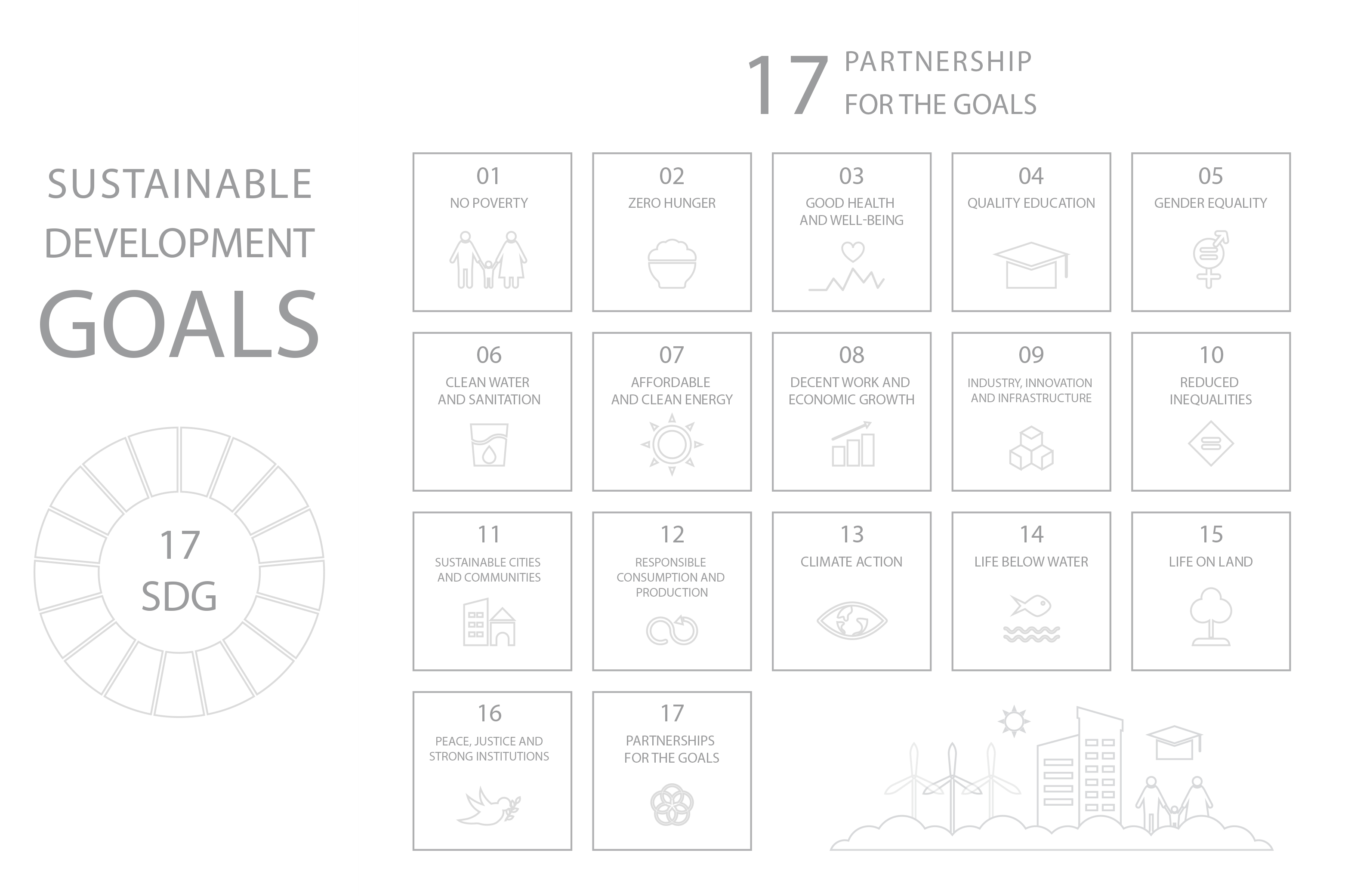
Finally, children can color the below poster (available for download here:
http://waece.org/contenido/noticias/wp-content/uploads/2022/09/7282664ByN.jpg)

Finish the activity by saying “Every positive action you take, no matter how small, has the power to make a difference”
Second Session: LLL.
Do you know what LLL means? Have you ever heared this before?
Later, s/he will explain:
Competencies are combinations of knowledge, skills and attitudes that children develop and apply for successful learning, living and working. They emphasize aspects of learning that apply within and across all subject areas.
- Why are key competences important?
Key competencies in terms of knowledge and abilities are important for every individual of the knowledge-based society. They provide added value in the labor market, social cohesion and active citizenship, by offering flexibility and adaptability, satisfaction and motivation.
- Who developed this Life Long Learning Competencies?
The European Commission works with EU Member States to support and reinforce the development of key competences and basic skills for all, from an early age and throughout life.
- Let´s talk. I will tell you all the competencies and you have to tell me if these are part of your educational system and your daily life (open dialog):
• Literacy
• Multilingualism
• Numerical, scientific and engineering skills
• Digital and technology-based competences
• Interpersonal skills, and the ability to adopt new competences
• Active citizenship
• Entrepreneurship
• Cultural awareness and expression
You can finish the conversation by saying that the eight key competences are needed for personal fulfilment, a healthy and sustainable lifestyle, employability, active citizenship and social inclusion.
Take a moment to observe the image below (to be also found at: http://waece.org/contenido/noticias/wp-content/uploads/2022/09/e-sdgs-poster-768x456.png.
Then discuss as a class and amongst each other:
• What do you see, on the visual level?
• What is your initial impression?
• Are you already familiar with this image? How familiar? Or, is it entirely new to you?
• What makes sense/ what doesn’t make sense?
• Do you think this image are able to resonate universally? Why or why not?
Later, s/he will explain:
The 2030 Agenda for Sustainable Development, adopted by all United Nations Member States in 2015, provides a shared blueprint for peace and prosperity for people and the planet, now and into the future. At its heart are the 17 Sustainable Development Goals (SDGs), which are an urgent call for action by all countries - developed and developing - in a global partnership.
They recognize that ending poverty and other deprivations must go hand-in-hand with strategies that improve health and education, reduce inequality, and spur economic growth – all while tackling climate change and working to preserve our oceans and forests.
To go deeper in the knowledge of the SDGs, you can use these questions:
● What are the Global Goals?
● Who is in charge of the Global Goals?
● How will the progress of the Global Goals be monitored?
● Why are there 17 Goals?
● What is Sustainable Development?
● Why are the Goals numbers and is the order significant?
● Are the colours for the Goals significant and how were they chosen?
● How do we achieve Sustainable Development?
● Does every country have to achieve all the Goals?
● How much will it cost to achieve the Goals
● What happens if the Goals aren't achieved?
● Why is it important that everyone is aware of the Goals?
● What can I do to contribute to meeting the Global Goals?
● Can I support just one Goal?
● Why are they called both the Sustainable Development Goals and the Global Goals?
Hint: here you have the “official” answers: https://www.globalgoals.org/faq
Finally, children can color the below poster (available for download here:
http://waece.org/contenido/noticias/wp-content/uploads/2022/09/7282664ByN.jpg)
Finish the activity by saying “Every positive action you take, no matter how small, has the power to make a difference”
Second Session: LLL.
Do you know what LLL means? Have you ever heared this before?
Later, s/he will explain:
Competencies are combinations of knowledge, skills and attitudes that children develop and apply for successful learning, living and working. They emphasize aspects of learning that apply within and across all subject areas.
- Why are key competences important?
Key competencies in terms of knowledge and abilities are important for every individual of the knowledge-based society. They provide added value in the labor market, social cohesion and active citizenship, by offering flexibility and adaptability, satisfaction and motivation.
- Who developed this Life Long Learning Competencies?
The European Commission works with EU Member States to support and reinforce the development of key competences and basic skills for all, from an early age and throughout life.
- Let´s talk. I will tell you all the competencies and you have to tell me if these are part of your educational system and your daily life (open dialog):
• Literacy
• Multilingualism
• Numerical, scientific and engineering skills
• Digital and technology-based competences
• Interpersonal skills, and the ability to adopt new competences
• Active citizenship
• Entrepreneurship
• Cultural awareness and expression
You can finish the conversation by saying that the eight key competences are needed for personal fulfilment, a healthy and sustainable lifestyle, employability, active citizenship and social inclusion.
Tips
Encourage children’s questions: each question from a child is a gift.
Questions give you new insights that help you understand the child, provide the best supports, and meet their learning needs.

Questions give you new insights that help you understand the child, provide the best supports, and meet their learning needs.
How to do it online?
The dialog can be done on-line as well. You can send the image for coloring by e-mail.
Additional materials
For additional materials, please visit the links below:
https://www.globalgoals.org/
https://education.ec.europa.eu/focus-topics/improving-quality/key-competences
https://www.globalgoals.org/
https://education.ec.europa.eu/focus-topics/improving-quality/key-competences
Downloadable pdf
You can download the pdf version of this exercise by clicking the icon below.